Holistic pain relief and structural balance
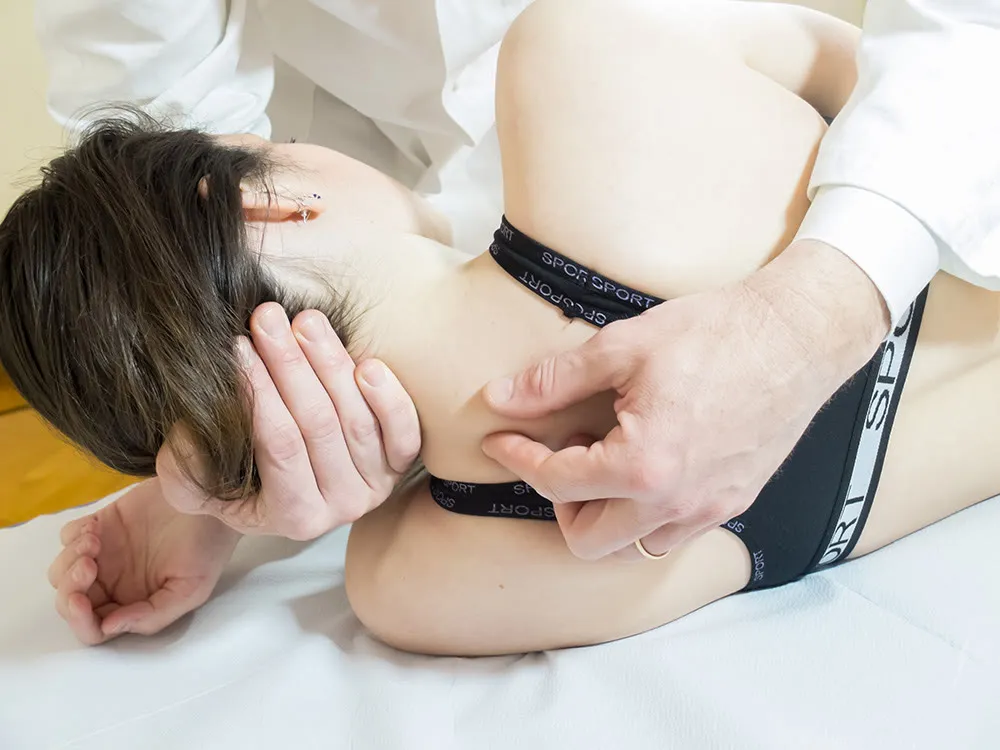
Osteopathic manual therapy is a natural, hands-on option for chronic pain, musculoskeletal dysfunction and postural imbalance. It is built on a simple idea: the body can heal itself when its structure is free to move. Christian Pinnau, DOMP, uses precise, tactile techniques to find and release restrictions in muscles, joints, fascia and other soft tissues.
Because osteopathy views the body as one interconnected system, a session looks beyond the painful spot. A stiff hip can drive low back pain; a tight diaphragm can limit how your neck moves. Treating the pattern, not just the symptom, is what makes the relief last.
How osteopathy works
Gentle mobilization loosens stiff joints and improves flexibility. Releasing tension restores healthy blood and lymphatic flow, which delivers nutrients and clears waste from irritated tissue. As movement returns, pain settles and the body is encouraged to continue repairing itself between visits. Most patients find treatment relaxing, soothing and deeply therapeutic.
Our goal is to treat the root cause of your pain, not just the symptoms, so your body can heal, restore and thrive.
Osteopathy is non-invasive and drug-free, and it combines well with the other therapies we offer. Shockwave, Class IV laser and acupuncture are often added to a plan to speed recovery for stubborn or long-standing problems.
Conditions we treat
Osteopathy helps with a wide range of concerns, including:
- Lower back pain, neck pain and sciatica
- Shoulder, hip and knee pain, tendonitis and sprains
- Repetitive strain injuries and sports injuries
- Tension and cervicogenic headaches, jaw pain and TMJ disorders
- Poor posture and post-accident rehabilitation
- Digestive discomfort, breathing difficulties and stress-related tension
What to expect
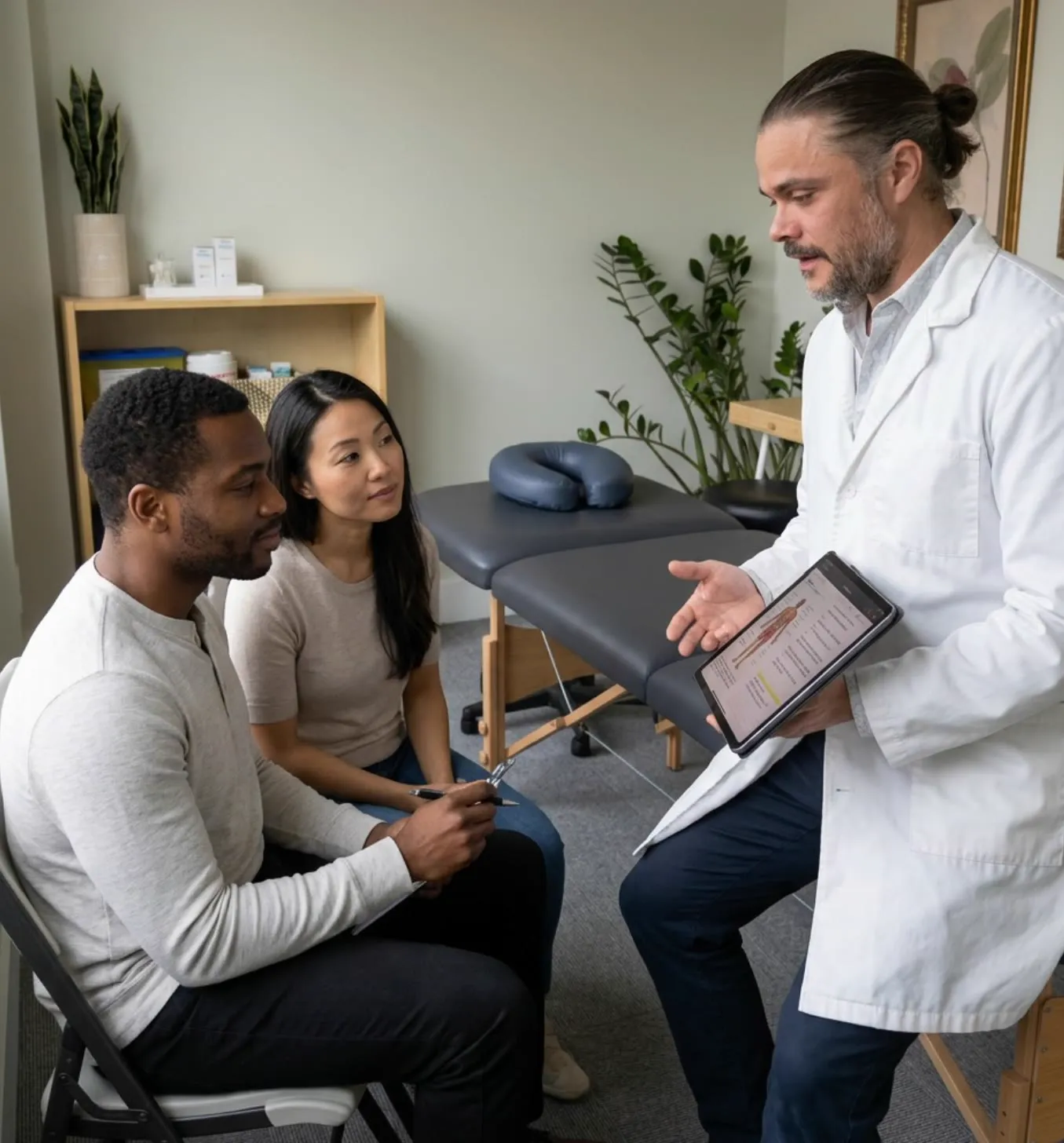
Your first visit starts with a thorough conversation about your symptoms, lifestyle, injury history and movement habits, followed by a physical assessment. Treatment is then tailored to your concerns, whether that is pain, limited range of motion or postural misalignment. Appointments typically last 30 to 60 minutes, and your plan adapts as you progress. No referral is required, though some insurers ask for one for reimbursement.